Counselling in Brighton and Hove
In-person and online counselling, based near Preston Park
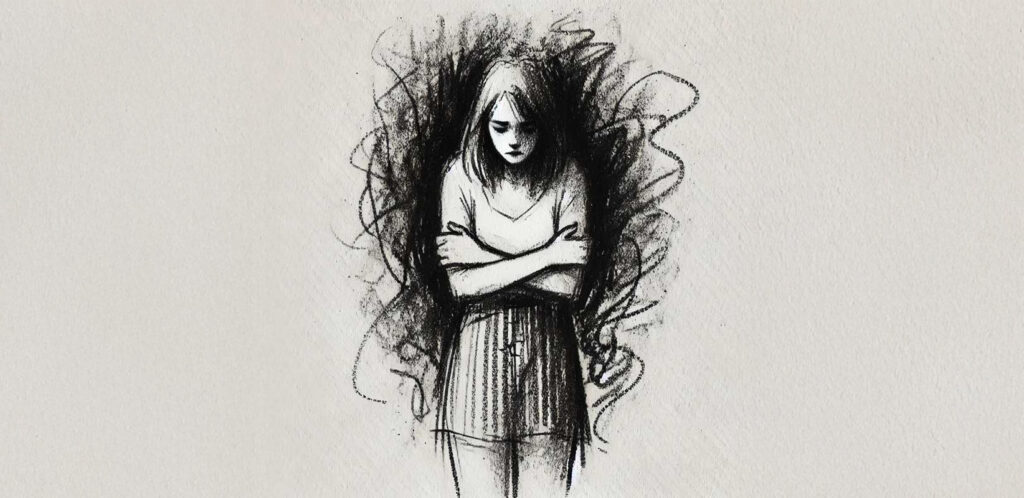
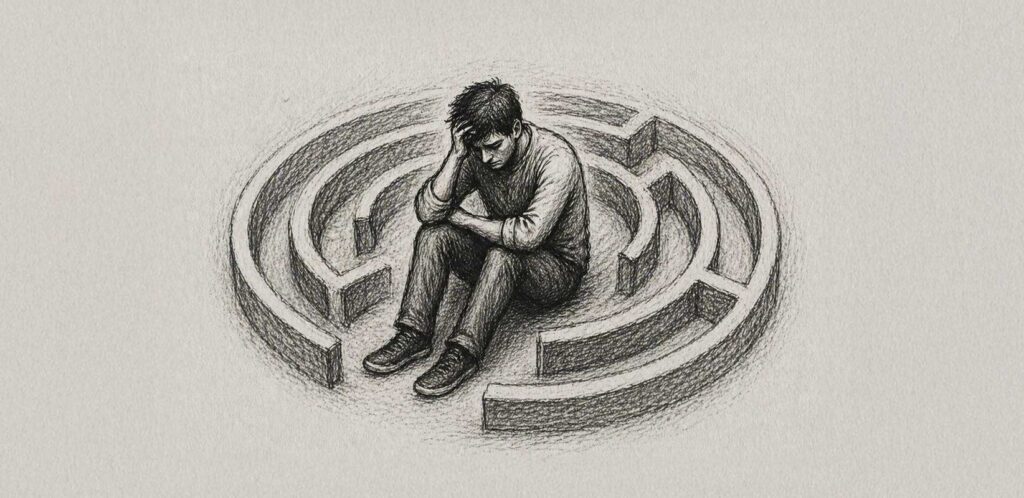
It’s not always clear what brings someone to counselling. There can be a sense that something’s not quite right, or that things have become harder to manage than they were before.
For some, this may be anxiety, low mood or relationship difficulties. For others, it is less defined – more of a feeling of being stuck, unsettled or unsure where to begin.
I offer a calm, supportive space to talk things through and make sense of what’s going on, working at your pace and focusing on what feels most important.
If this feels familiar, you don’t need to have a clear reason or the right words to begin.
My practice is based in Brighton, just a short walk from Preston Park station. If you’d like to find out more, you’re welcome to get in touch or arrange a free 15-minute introductory call.
Get in touch
If you’d like to find out more or arrange a free 15-minute call, you’re welcome to get in touch.
About me and how I work
Hi, I’m John. I trained in Humanistic Counselling at the University of Chichester, where I completed my Diploma of Higher Education (DipHE). I am a registered member of the BACP, fully insured, and hold an up-to-date DBS check.
I work in a way that is shaped by a number of approaches, including person-centred, Gestalt and existential therapy. In practice, this means I stay flexible and responsive to you, rather than following a fixed method.
The relationship we build is central to the work. It’s not about having all the answers, but about creating a space where you feel able to speak openly. In that kind of space, people often begin to hear themselves more clearly and make sense of what they are feeling, even when it is difficult or unclear.
I have worked with many clients over the years and, while I don’t focus on a single area, I have experience supporting people with anxiety, low mood, relationship difficulties, self-esteem and a sense of feeling lost or stuck.
Alongside private practice, I have worked in community counselling charities and addiction services, supporting a wide range of people and experiences.
Common questions
What happens in a counselling session?
A session is a space to talk about what is going on for you. There is no set agenda. We work at your pace, focusing on what feels most important and making sense of things together over time.
Do I need to know what to say before starting counselling?
No. Many people come unsure of where to begin. Part of the process is finding the words together, without pressure to explain everything straight away.
Can counselling help with anxiety, low mood or relationship difficulties?
Yes. Counselling can help you understand what is going on beneath the surface, how these experiences are affecting you, and how to respond to them in a way that feels more manageable.
How many sessions will I need?
There isn’t a fixed number. Some people come for a short period, while others choose to work more long-term. We can think about this together and review it as we go, depending on what feels helpful for you.
How I can help
People come to counselling for different reasons. These are some of the areas I commonly work with, though you don’t need to fit into a specific category to begin.
Anxiety can feel overwhelming or hard to manage, whether it shows up as constant worry, overthinking or sudden panic. Counselling offers a space to talk things through and begin to understand what may be driving it.
Low mood can affect energy, motivation and how you see yourself and the world around you. Counselling can help you make sense of what is happening and find a way forward that feels more manageable.
Working with relationship difficulties
Relationships can become strained or difficult to navigate, whether with a partner, family or others. Counselling offers space to explore what is happening and how you relate to yourself and those around you.
Working with self-esteem and confidence
Difficulties with self-esteem can affect how you see yourself and the choices you make. Counselling offers space to explore where these patterns come from and how they continue to shape your experience.
Working with stress and feeling overwhelmed
Stress can build over time, leaving you feeling stretched, pressured or unable to switch off. Counselling can help you slow things down and understand what is contributing to that sense of overwhelm.
Feeling stuck or unsure what to do next
At times, it can feel like you have lost direction or are unsure how to move forward. Counselling provides a space to reflect, talk things through and begin to find a clearer sense of what matters to you.
News and Articles from the Blog
Writing and Social Media
Alongside my counselling work, I write and speak about therapy, mental health and the hidden aspects of human experience. My work has been featured in publications including Philosophy Now, Counselling Directory and The Argus, and I also host Thoughtful Observer – a reflective podcast and writing outlet available on Substack and Spotify.
You can explore some of that work below:
Article on Hope in Philosophy Now [here]
Article on Individuation in Counselling Directory [here]
Article on the use of Can’t in Counselling Directory [here]
News story launching MEN TALK TOO [here]
Thoughtful Observer podcast on Spotify [here]
Writing as Thoughtful Observer on Substack [here]
I can also be found on Facebook and Instagram: